
DEVENT planning resources
Wedding Seating: Family Groups, Changes and Room Flow
A good seating plan fits the room and helps guests feel comfortable. Begin with the layout and the people who need particular arrangements, then refine tables as replies change.
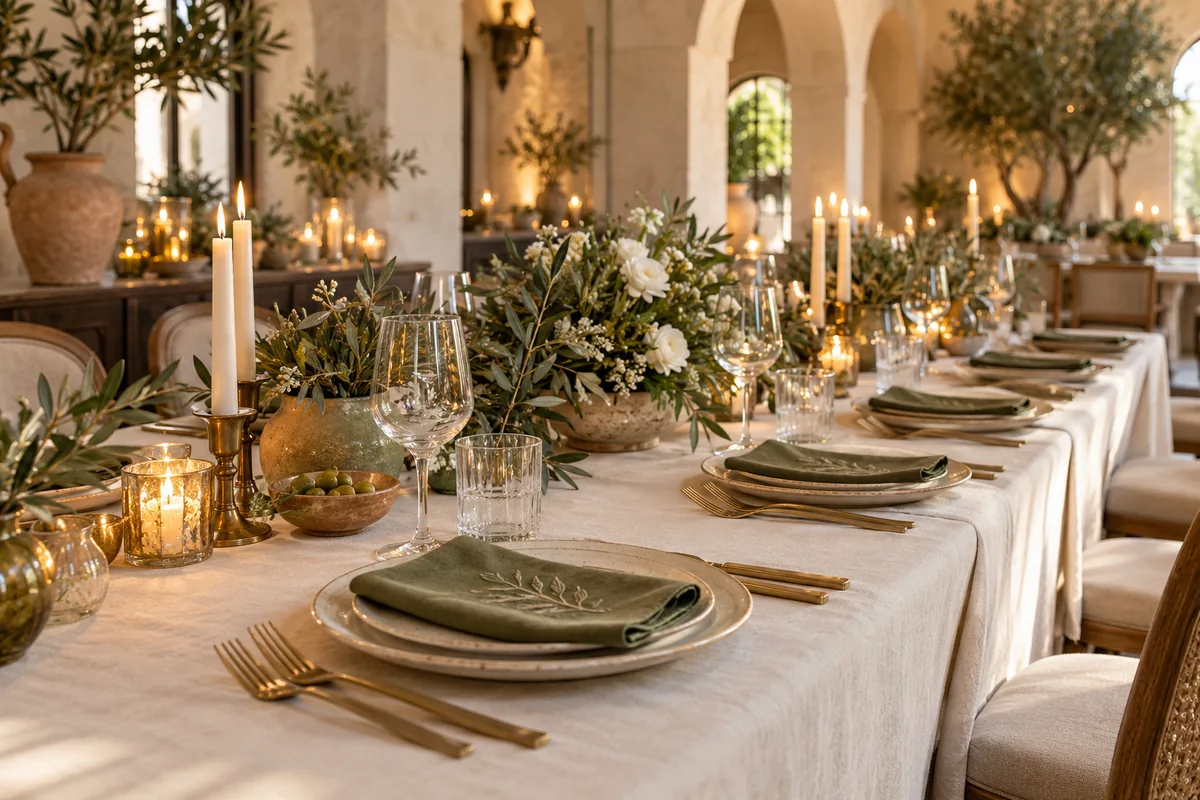
Confirm the room before assigning seats
Ask the venue for the room dimensions, table options, service paths, entrances and the location of the dance floor or stage. A room’s maximum capacity may not fit your preferred arrangement. Check sightlines, access and queues at food stations before filling every table.
Ask about important relationships
Ask the hosts privately which groups want to sit together and whether anyone should be separated. Do not assume families, cultures or age groups all prefer the same arrangement. A sweetheart table gives the couple a separate place; a larger host table seats them with selected people. Compare how each option fits the room and the people involved.
Plan for access and children
Check with guests about requirements rather than placing people with mobility needs at a separate table by default. Ask families about highchairs or children’s places, and confirm with the venue that the route to seats and toilets works for the final layout.
Check music, meals and movement
Discuss speaker placement with the venue and entertainment team before putting a guest table directly beside it. Leave a practical path to the dance floor and room for staff and guests to reach food stations. Ask the caterer where queues may form and test the arrangement against the venue’s requirements.
Coordinate service and printed information
Keep table numbers consistent across the floor plan, place cards and catering list. Ask the caterer what it needs to identify agreed meals without displaying private dietary notes to everyone. Give the venue the final layout and name a person who can answer questions on the day.
Handle changes after deadlines
If an RSVP changes, check the remaining table capacity and whether the caterer can change the meal. Update the digital plan, place cards and check-in list together. Once the venue or printer has received a version, send a dated revision instead of relying on memory.
Worked example · illustrative details
Moving one guest
A guest can no longer attend, leaving a space at table four. The hosts check whether another household wants that seat and whether the caterer needs a revised meal list, then update the table card and the check-in version together.
Your next steps
- Confirm the room layout and capacities.
- Agree key family, access and children’s arrangements.
- Assign guests using the current attendance list.
- Send the final version and communicate later changes.
Common questions
Should family members always sit together?
Ask the people involved. Some prefer to sit together, while others enjoy mixing with friends; avoid making assumptions.
Can we change tables after the catering deadline?
Often a seating change is possible, but check how the caterer identifies meals and tell the venue and service team about the final version.
Useful next steps
Explore DEVENT before choosing your plan
Try sample tools and review current access, plan availability and automatic communication requirements.
View current plans